FedKDD/FedMAS 2026: The 2026 International Joint Workshop on Federated Learning for Multi-agent Systems and Data Mining
Co-located with KDD 2026
August 9 8am-12pm (Korea time), 2026
Jeju, Korea
Follow @FL4DataMining Call for Submissions
Goals
The FedKDD/FedMAS 2026 workshop aims to advance federated learning at the intersection of multi-agent systems and data mining. As large language models, autonomous agents, and graph-structured data become central to modern AI, the need for scalable, privacy-preserving, and trustworthy distributed learning has never been more critical. This workshop explores federated approaches for multi-agent coordination, decentralized optimization, and collaborative data mining across heterogeneous sources, addressing key challenges including data heterogeneity, communication efficiency, robustness, and fairness. By bringing together researchers and practitioners from academia and industry, FedKDD/FedMAS 2026 fosters discussion on innovative algorithms, system designs, and real-world applications that drive the development of next-generation intelligent and trustworthy systems—co-located with KDD 2026 in Jeju, Korea.
Organizers


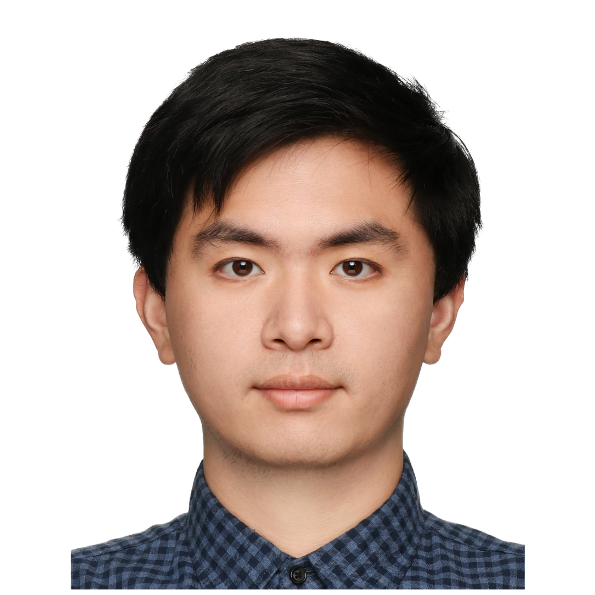
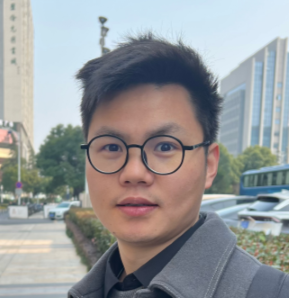
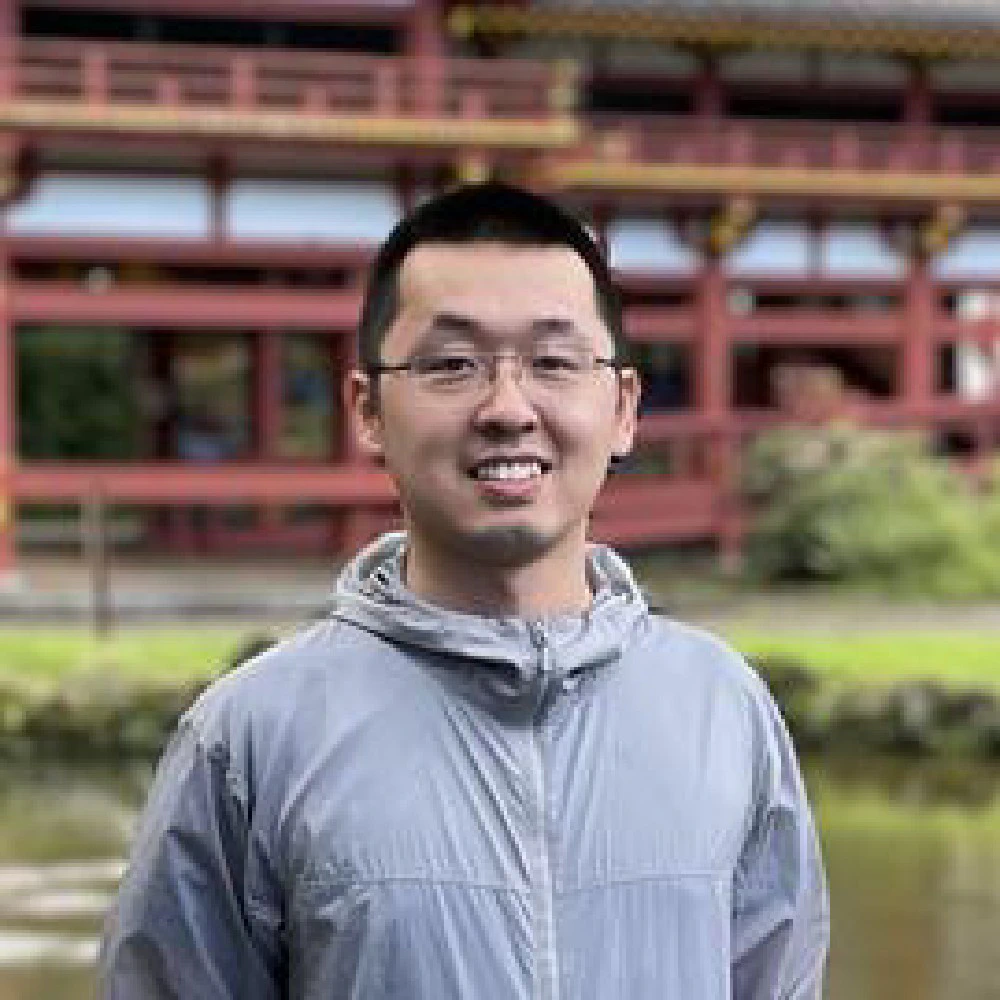
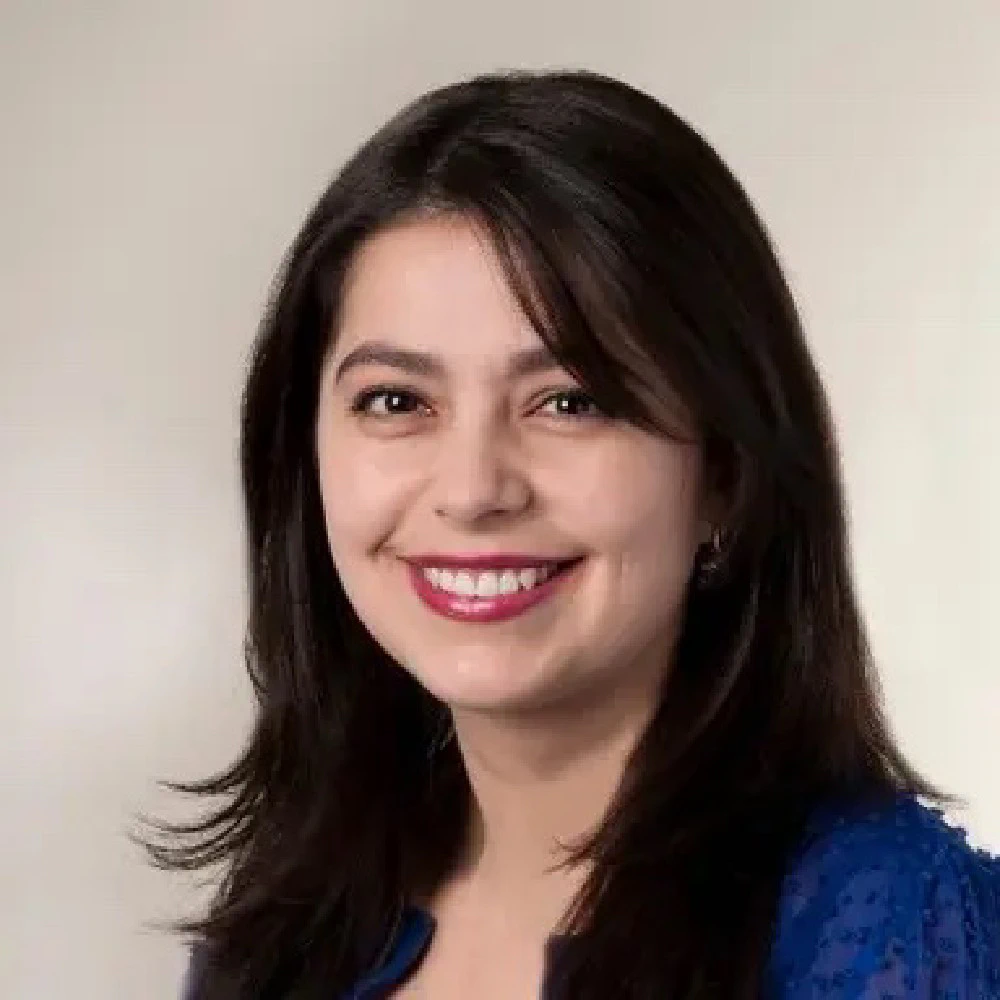

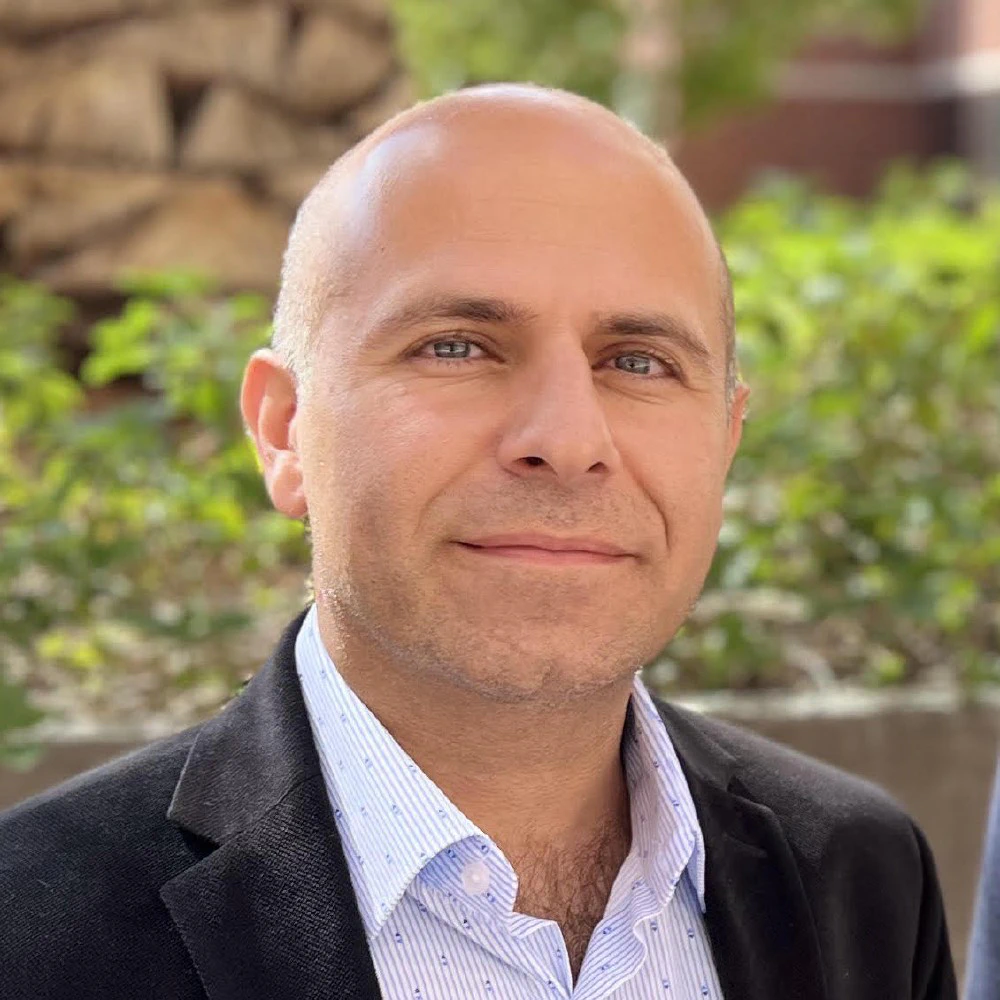
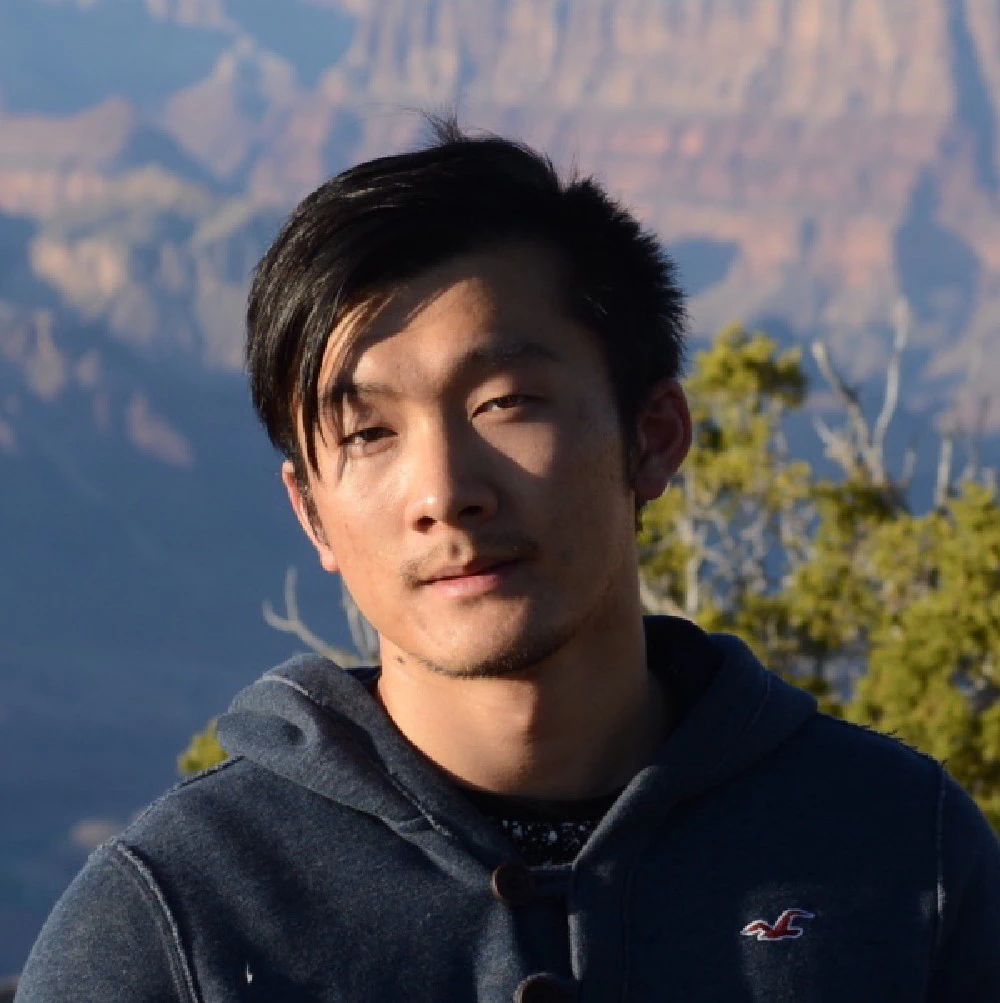
Program Committee Members
.
- Wenjun Chen
- Tianzhe Xiao
- Qian Li
- Nishant Gupta
- Praveenkumar Kondikoppa
- Abhishek Dharmaratnakar
- Eshaan Jain
- Jiawei Sheng
- Ke Liang
- Zhiwei Li
- Zhuang Qi
- Xuze Li
- Xiaoquan Yi
- Yichen Li
- Qiyu Qin
- Hao Yu
- Debin Liu
- Yuxun Liu
- Fushuo Huo